Recycle of Movements
“Recycle of Movements” is a movement-based project that investigates gestures / how we use our bodies and movements in everyday life. From expressions of cultural identity to gestures that transcend cultural borders, the project seeks to open up pathways (physical languages) toward a shared, human experience.
Gestures — that often performed unconsciously — carry traces of our collective memories and cultural identities. The project focuses on bringing awareness to our gestures, movements, physical communications; exploring how embodied memories can be transformed into new shared narratives.
Community Involvement
The project primarily aims for community-based creation by organizing movement-based workshops. These workshops offer both physical and verbal spaces for participants to share personal gestures, phrases, stories, and experiences. It is a dialogue between body, memory, identity and within the community itself.
Recycle of Movements – Interactive Discussion
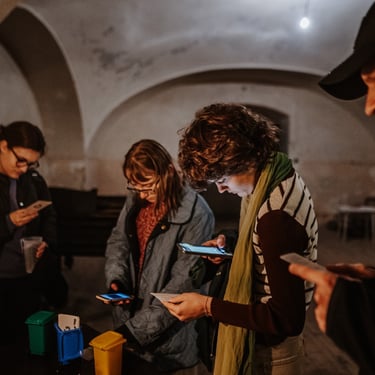
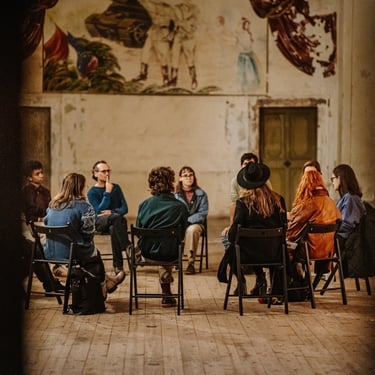
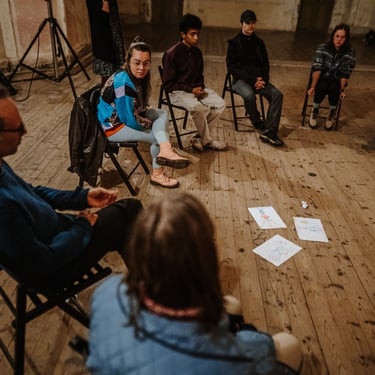
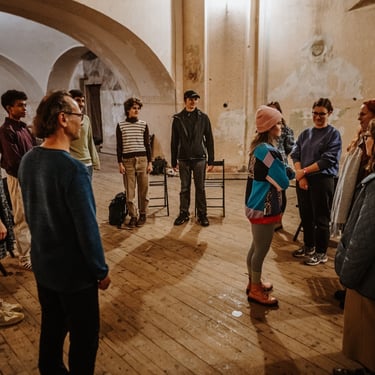
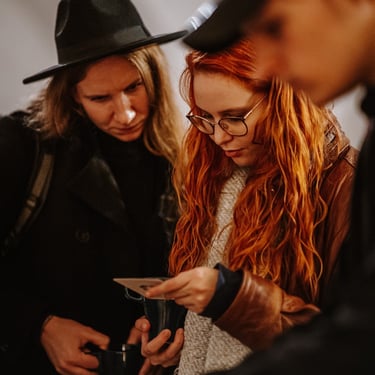
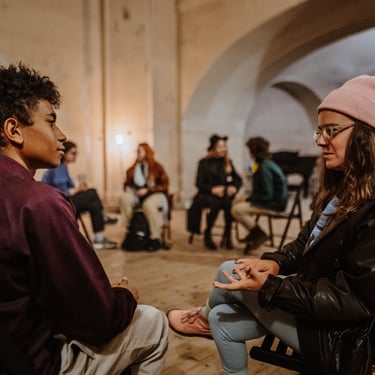
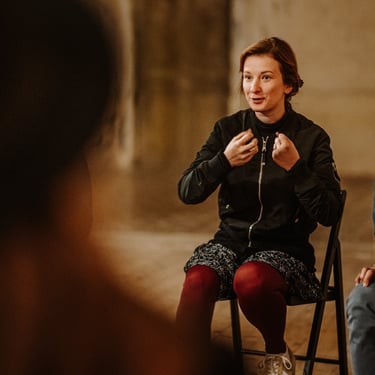
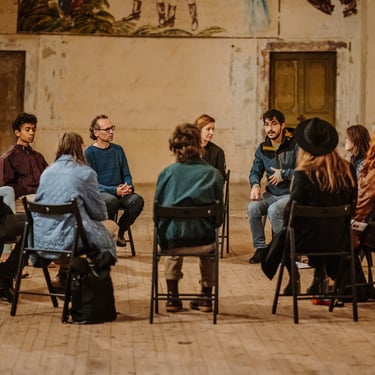
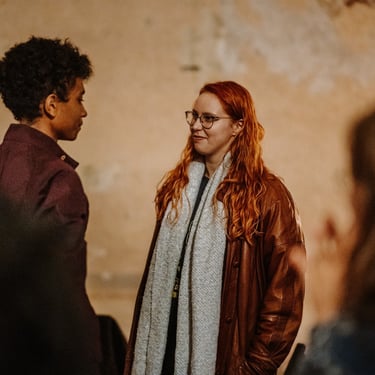
The discussion invites participants to reconsider their everyday gestures — often inscribed in our bodies under the veil of unconsciousness.
An invitation to reflect on how our everyday gestures and movements relate to the phenomenon of collective memory. It offers a space for both verbal and physical sharing of experiences, asking questions, interacting with thematic cards, and building a dialogue between memory and movement.
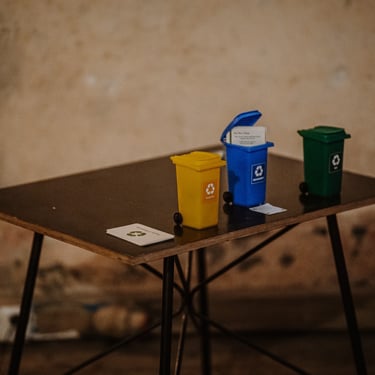
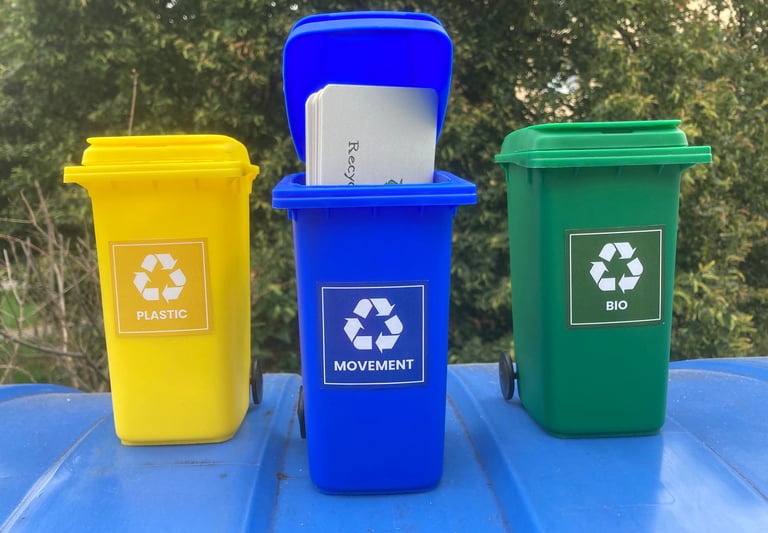
Recycle of Movements – CARDS
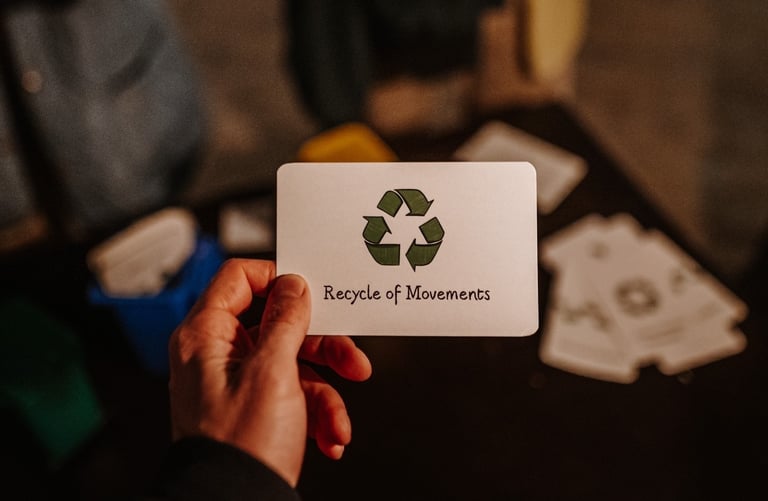
The set of playful cards focuses on movement - specifically gestures. They offer simple directions that invite you into diverse physical explorations.
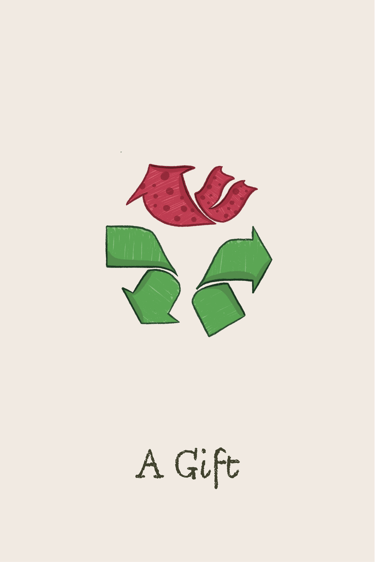
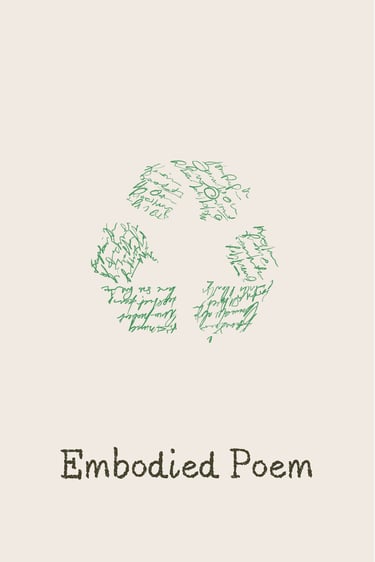
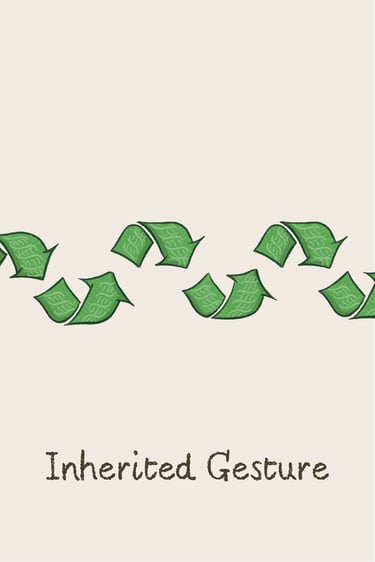
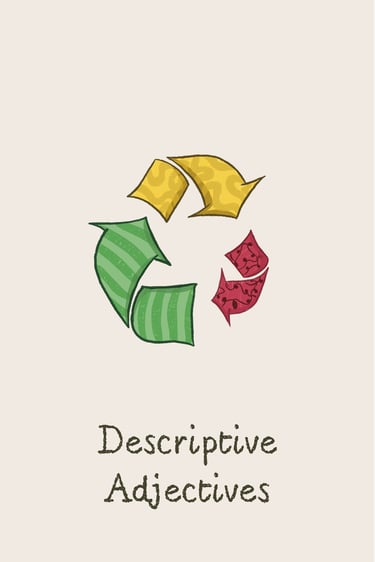
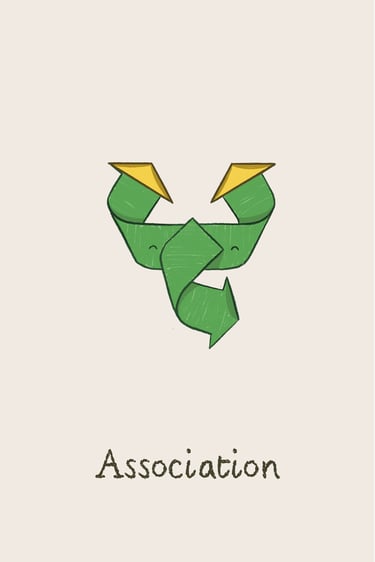
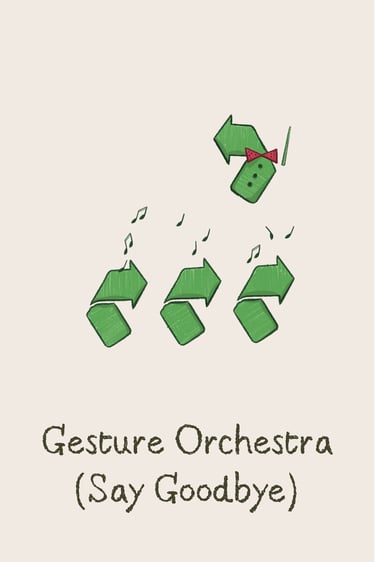
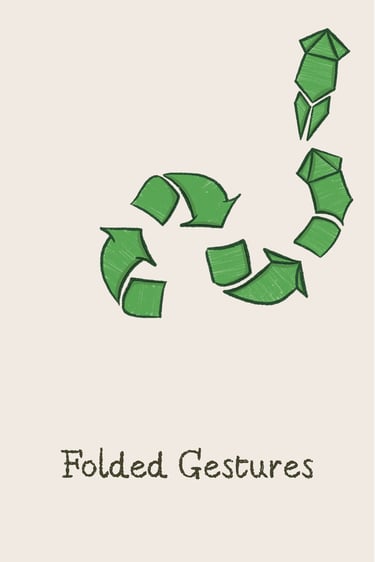
Photos by Jan Martinek,
Kaznice - 26.09.25.
The cards invented for projects' accessibility, for meeting with diverse communities. Do not hesitate to contact us if you would like to learn more about the cards.
Illustrations by Serhat Aladag
THE ROOTS
The Half-Completed Person
Our bodies and the ways we use them are reflections of collective memory and the sum of lived experiences. The self does not emerge in isolation. Rather, it is cultivated (formed and re-formed) through social interactions. From the earliest moments of life, our gestures, expressions, physical and emotional patterns are shaped by the people and environments around us.
“The self is formed through social interactions."
Take, for example, the simple act of using our hands: The ways we use them while speaking are not purely “original”. More likely, they are copied/ borrowed from others — inherited from our parents, teachers, friends, or even strangers seen on a screen. In other words, our movement vocabulary is a cultivation of our interactions with the world. Not just the hands - how we stand, walk, laugh, express emotions; how we move... They are echoes of countless interactions, shaped by culture, family, media, and chance encounters. They are cultivated by the world we have moved through. Our bodies become living repositories of influence.
“The body is our general medium for having a world.” Maurice Merleau-Ponty, Phenomenology of Perception
The body, in this sense, becomes a living archive of relational memories — a site for the cultivation of collective memories.
So, our movements are not entirely or uniquely ours (?!)
At first glance, this realization can be unsettling. This is because we confront the idea that we do not possess a fully autonomous identity. Our identity is not completely ours(!). We might feel disappointed, even disoriented. We recognize how deeply collective we are. Our so-called “individuality” is, in many ways, a composite of others—what some call a collective memory.
However, this recognition does not need to be a weakness. It is an opening. It means that the self is not fixed, but fluid.
“If my gestures and movements are shaped by others, then I am also free to reshape them. I am not bound to a single version of myself.” We have the capability of change, and reinvention. This can be a liberating. “I do not need to insist on my identity, because it's not entirely mine. I can continue to change, develop, re-form, re-shape, adjust my self (attitudes, behaviors, movements, etc.).”
That’s not a weakness. That’s a powerful opening.
Question of Possible Futures
Once we embrace the idea of being a “half-completed person”, the other way around becomes visible: If we are shaped by others, we are also shaping others, perhaps without realizing it. It means we also become influencers.
This realization invites a shift in focus: “from identity as possession” to “identity as participation”.
At this point, theory meets praxis: We can take that role upon ourselves - choosing to focus on how we contribute to the collective memory. We are not just passive recipients of culture or behavior but active contributors to collective memory. As much as we are the ones affected by others, we are also the ones affecting others, their “self”, and even, metaphorically, the “self” of the world. In gestures, words, behaviors, we leave a trace around us. Our bodies become carriers of cultural transmission, small echoes shaping possible futures.
We now carry the questions: What do I want to contribute? How do I want to affect those I encounter? What do I want to transmit? What kind of movements, essences, and values do I want to spread in the environments I inhabit? Carrying attentiveness: What do we (and want to) spread in our surroundings, environment, and society?
Can we consciously shape our movements to be contagious for possible futures? How?
To think of the self as contagious may seem a bit strange, but it holds transformative power. Just as we once borrowed the laugh of a friend or the posture of a parent, someone else might borrow from us. We can begin to shape our movements (physical, emotional, and ethical) as offerings to possible futures. In a world where the self is never finished, contribution becomes a responsibility. We may not shape our identities alone, but we help compose the world’s evolving story. We may not be able to say whether this is a burden or an opportunity. But there is definitely an invitation to move not just with intent, but with care for the possible futures we are already touching.
~ written by Orkun Türkmen